Years Later, Still Missing Them
Supporting a loved one through the holidays long after a loss. By Kelly Huggins, LCSW, Owner & CEO of Creating Space Therapy By the third year, the casseroles have long…
Supporting a loved one through the holidays long after a loss.
By Kelly Huggins, LCSW, Owner & CEO of Creating Space Therapy
By the third year, the casseroles have long stopped arriving. The sympathy cards are tucked away, and most people quietly assume the hardest part is over. Yet for many grievers, Thanksgiving three, five, or even ten years after a death can feel just as tender as the first. Sometimes it feels harder.
If someone you care about is heading into the holiday season grieving a person they love, you can make a real difference. It does not take perfect words. It takes noticing, remembering, and staying.
In the first year, grief is expected and visible. Friends check in, and there is a kind of permission to fall apart. As time passes, that support often fades while the loss itself does not. Grief does not end on a schedule. It changes shape, and the relationship with the person who died continues in memory, ritual, and love.
Later years also bring new losses layered on the old one. A grandchild is born whom Grandpa never met. A sibling graduates without Mom in the audience. The family recipe gets made a little differently each year. Many grievers tell me the loneliest part is feeling that everyone else has moved on while they are still carrying it.
Well-meaning comments can land hard years after a loss. Phrases like “Shouldn’t you be over this by now?” or “At least it’s been a while” suggest there is a deadline on love. Even “They’d want you to be happy” can feel like pressure to perform cheer.
Try this instead. “It makes sense that you still miss her.” “The holidays must bring up a lot.” “I’m glad to listen whenever you want to talk about him.” Simple validation tells your friend their grief is normal, because it is.
You cannot take away someone’s grief, and you do not need to. What you can offer is the steady reminder that their person still matters and so do they. This Thanksgiving, that may be the most meaningful thing you bring to the table.
If grief feels heavy or stuck this season, support is available. A grief counselor at Creating Space Therapy can help you find ways to carry your loss alongside a full life. Call (630) 601-3460 to book a free consultation call.
Kelly Huggins is the founder and Clinical Director of Creating Space Therapy and a Licensed Clinical Social Worker with nearly 20 years of experience in grief and trauma care. She is EMDR-Certified through EMDRIA, a Certified Grief Counseling Specialist, and a Certified Clinical Trauma Professional. Kelly works with adults navigating traumatic loss, prolonged grief, complex trauma, childhood emotional neglect, and intergenerational trauma. Her approach integrates EMDR, Internal Family Systems, somatic therapy, and expressive arts to support healing that goes deeper than talk therapy alone. Creating Space Therapy is located in Geneva and Naperville with online telehealth available across Illinois. To connect with Kelly, schedule a free 15-minute consultation call or learn more about us at creatingspacetherapy.com.
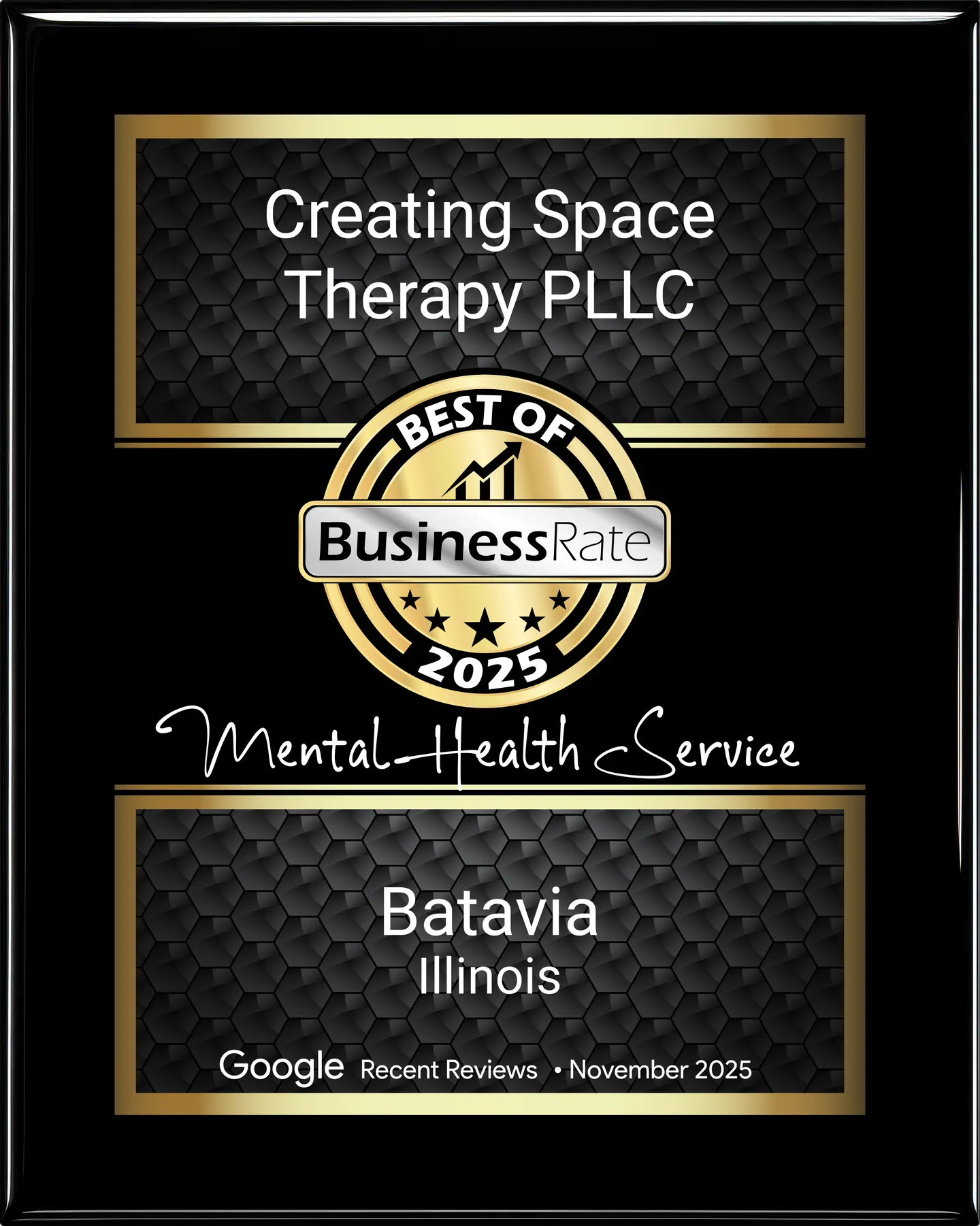
Creating Space Therapy is a niche psychotherapy practice specializing in grief counseling and trauma therapy for children, teens, and adults in Geneva and Naperville, with online telehealth available to Illinois residents statewide. Recognized as the Best Mental Health Practice in Batavia in 2025, we have spent five years building a reputation as a trusted grief resource in the Fox Valley community. Our team of licensed grief counselors and certified grief therapists believes that grief doesn’t follow a timeline, a checklist, or a set of stages. It is as individual as the love behind it. We hold space for every kind of loss, from the death of a loved one to the quieter griefs that often go unnamed, and we help clients find their way forward without ever being asked to leave their loss behind. If you’re ready to stop carrying this alone, we invite you to schedule a free 15-minute consultation call or learn more about us at creatingspacetherapy.com.