This site uses cookies for analytics and to improve your experience. By clicking Accept, you consent to our use of cookies. Learn more in our privacy policy.
Grief is an emotional rollercoaster, filled with ups and downs that can leave you feeling disoriented and emotionally drained. No one can predict precisely how they’ll react to loss, which is why understanding your rights as a grieving person is critical. The “Griever’s Bill of Rights,” penned by grief expert Alan Wolfelt, outlines these rights, serving as a valuable guide to help you navigate the complexities of mourning.
As a Griever You have the Right:
To Your Unique Grief. Everyone’s grief is distinct. There’s no one-size-fits-all approach to grieving, and nobody else can dictate how you should or should not feel. Surround yourself with people who understand your uniqueness rather than those who impose their ideas of what grief should look like.
To Talk About Your Grief. Speaking about your grief is therapeutic, and it is within your right to share your feelings openly. It’s also okay to seek silence when you need it. The key is balance—find supportive listeners who respect both your need to talk and your moments of introspection.
To Feel a Multitude of Emotions. Grief isn’t linear; it’s a tangle of emotions, ranging from sadness and guilt to relief and even joy. Do not let anyone label your emotions as “wrong” or “inappropriate.” Your feelings are valid, and you need a supportive environment to express them freely.
To Respect Your Limits. Grieving takes a toll on your emotional and physical well-being. Listen to what your body and mind are telling you. Allow yourself the time and space to heal, and don’t be pressured into “getting back to normal” before you’re ready.
To Experience “Griefbursts”. It’s normal for emotions to erupt unexpectedly. Known as “griefbursts,” these sudden outpourings can be disconcerting but are a natural part of the healing process. Seek out those who understand and will let you talk through these intense moments.
To Utilize Rituals. Rituals like funerals or memorial services offer a communal way to acknowledge loss and begin the healing process. Don’t underestimate the power of these time-honored practices, even if others deem them unnecessary or outdated.
To Embrace Your Spirituality. Your spiritual or religious beliefs can offer a strong pillar of support during times of grief. Feel free to lean on your faith and engage with people who respect your spiritual journey, even if that journey includes questioning or anger.
To Search for Meaning. Asking “why” is an integral part of grieving. You may or may not find all the answers, but you have the right to search for meaning without being subjected to insensitive platitudes like, “It was God’s will.”
To Treasure Your Memories. The memories you hold are precious gifts, everlasting bonds that remain long after your loved one has passed. Share these treasures with sympathetic listeners as a way to honor your loved one and your own emotional journey.
To Heal. Grieving is a process that takes time. You have the right to move through your grief at your own pace. Be gentle with yourself and seek out support from those who understand that grief is not something to “get over” but something you integrate into your life.
Contact Us
The Griever’s Bill of Rights provides a framework for understanding and respecting your unique process of mourning. These rights act as pillars, helping you build resilience and find your own path to healing. Remember, no one else can tell you how to grieve, but you don’t have to go through it alone. If you or someone you know is struggling with grief or loss and could benefit from a specialized, strengths-based, and client-centered approach, we’re here to help. Click here to schedule a free consultation. Let’s take this journey together, creating a space for healing, understanding, and hope.
Related Reading
What is Grief? A grounding look at the basics of loss that helps you make sense of the intense, often confusing feelings of grieving and mourning.
Charlotte Shuber is a Licensed Clinical Social Worker and grief therapist at Creating Space Therapy in Geneva, IL, with online telehealth available across Illinois. She is a Certified Grief Care Professional and Compassionate Bereavement Care® Certified Provider with specialized training through Megan Devine and the MISS Foundation. Charlotte works with adults, teens, and children across a wide range of losses, including death, pet loss, LGBTQIA+ grief, and non-death losses such as divorce, diagnosis, and major life transitions. Her approach honors grief as a unique, non-linear experience and focuses on helping clients find connection, meaning, and forward movement at their own pace. To connect with Charlotte, schedule a free 15-minute consultation call or learn more about us at creatingspacetherapy.com.
ABOUT CREATING SPACE THERAPY
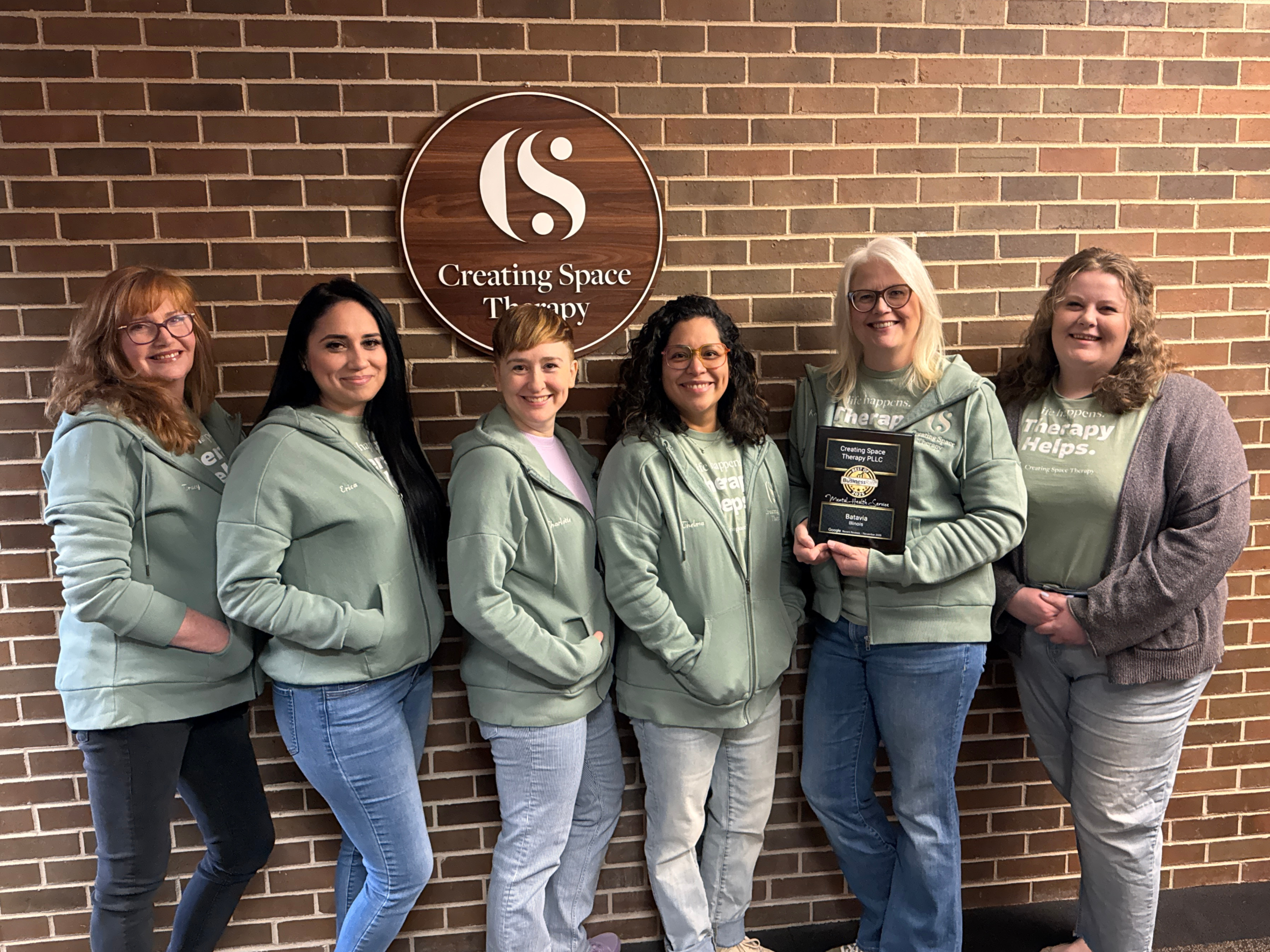
Creating Space Therapy is a niche psychotherapy practice specializing in grief counseling and trauma therapy for children, teens, and adults in Geneva and Naperville, with online telehealth available to Illinois residents statewide. Recognized as the Best Mental Health Practice in Batavia in 2025, we have spent five years building a reputation as a trusted grief resource in the Fox Valley community. Our team of licensed grief counselors and certified grief therapists believes that grief doesn’t follow a timeline, a checklist, or a set of stages. It is as individual as the love behind it. We hold space for every kind of loss, from the death of a loved one to the quieter griefs that often go unnamed, and we help clients find their way forward without ever being asked to leave their loss behind. If you’re ready to stop carrying this alone, we invite you to schedule a free 15-minute consultation call or learn more about us at creatingspacetherapy.com.
When the results came in, my first thought was not about the award itself. It was about the people behind it. Every client who sat with something hard and decided…
This article is for parents who are just starting to wonder whether what their child is going through might be trauma. We’ll talk about what trauma actually is, why getting…
Parenting is one of the most rewarding things you will ever do, and also one of the most exhausting. If you have ever found yourself standing in the kitchen after…